
Leading Products For Epdm Roof Installations You Can Count On
Find out which top-rated products provide superior adhesion, sealing, and durability for your EPDM roofing needs.
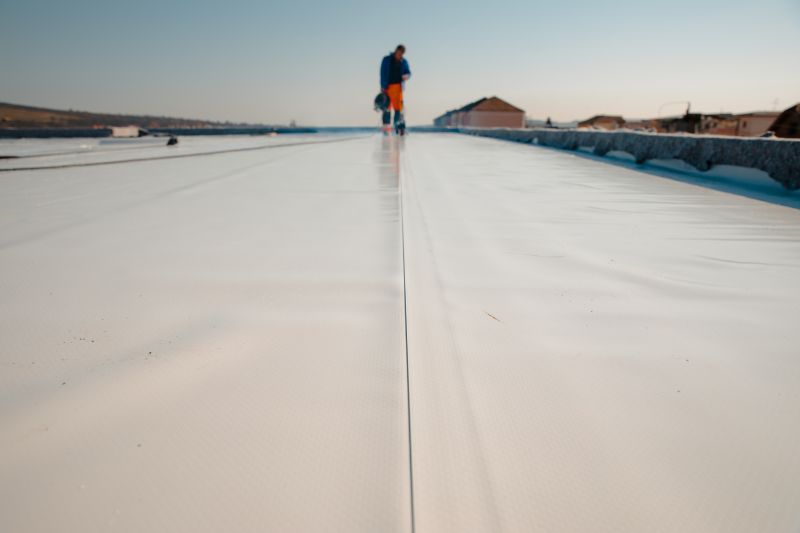 EPDM (ethylene propylene diene monomer) roofing is a popular choice for flat and low-slope roofs due to its durability, flexibility, and ease of installation. When considering products for EPDM roof installations, it is essential to select materials that ensure a secure, weather-resistant, and long-lasting seal. The installation process often involves various components such as membranes, adhesives, seam tapes, and sealants, each playing a vital role in the overall performance of the roof system. Proper selection and application of these products can help prevent leaks, resist UV exposure, and accommodate thermal expansion and contraction.
Top Overall Option
EPDM Roofing Membrane Kit
A comprehensive EPDM roofing membrane kit includes a durable, flexible membrane along with compatible adhesives, seam tapes, and sealants. Designed for ease of installation, this all-in-one package provides the essential components needed for a secure and weather-resistant roof system. Its flexibility allows for expansion and contraction, making it suitable for various roofing configurations and climates. When used correctly, it can help create a consistent waterproof barrier, contributing to the longevity of the roof.
Types of Products For Epdm Roof Installations
EPDM Roofing Membranes
Flexible, durable sheets made from synthetic rubber, available in various thicknesses and sizes to suit different roofing needs.
Adhesives for EPDM
Specialized adhesives designed to securely bond EPDM membranes to substrates and seams, ensuring a weather-tight seal.
Seam Tapes
Self-adhesive tapes used to seal seams and overlaps between membrane sections for enhanced waterproofing.
Primers
Surface preparers that improve adhesion between the membrane and substrates or sealants, ensuring a reliable bond.
Sealants and Caulks
Flexible sealants used to seal around penetrations, vents, and edges to prevent leaks and water intrusion.
Roof Adhesive Rollers
Tools designed to evenly apply adhesives and ensure proper bonding during installation.
Edge Flashing
Metal or rubber flashing materials used to protect roof edges and transitions from water infiltration.
Cleaning Solutions
Products used to clean and prepare surfaces before installation, ensuring optimal adhesion and performance.
Insulation Boards
Insulation materials compatible with EPDM systems, providing thermal resistance and a stable base.
Fasteners and Clips
Hardware used to secure membranes and accessories to the roofing substrate or structure.
Popular Choices
Commonly selected for their flexibility and durability, these membranes are available in various thicknesses and widths.
Widely used for sealing seams, seam tapes provide a reliable waterproof barrier when applied correctly.
Popular for their strong bond and ease of application, these adhesives are essential for attaching membranes and accessories.
Frequently used to prepare surfaces for adhesion, primers help improve bonding quality in various conditions.
Flexible sealants are commonly chosen to seal around penetrations and edges, enhancing waterproofing.
Popular for protecting roof edges and transitions, flashing materials help prevent water infiltration.
Used frequently to prepare surfaces, ensuring proper adhesion and a clean installation process.
Commonly selected to improve thermal performance and provide a stable base for the membrane.
Standard hardware for securing membranes and accessories during installation.
The core of any EPDM roofing system is the membrane itself, which acts as the primary waterproof barrier. These membranes come in different thicknesses and sizes to suit various project requirements. Complementary products like adhesives and seam tapes are used to join sections securely, creating a continuous waterproof surface. Sealants and primers are also important for preparing surfaces and sealing penetrations or joints, ensuring the integrity of the installation over time. Quality accessories and installation tools can streamline the process and contribute to a more reliable, professional result.
Choosing the right products for EPDM roof installation involves assessing compatibility, ease of use, and long-term performance. It is advisable to use products specifically formulated for EPDM membranes, as they are designed to adhere properly and withstand environmental stresses. Proper surface preparation, such as cleaning and priming, is critical to achieving optimal adhesion. Additionally, considering the climate and typical weather conditions in your area can influence the selection of sealants and adhesives, ensuring the roof system remains effective under different conditions. Regular maintenance and inspection of these products can help extend the lifespan of the roof system and prevent costly repairs in the future.
Key Buying Considerations
- Compatibility with EPDM membranes to ensure proper adhesion and performance.
- Product quality and manufacturer reputation for reliable, long-lasting results.
- Ease of application, especially if DIY installation is planned.
- Appropriate thickness and size of membranes to match project scope.
- Weather resistance and flexibility of adhesives and sealants for varying climates.
- Surface preparation requirements to achieve optimal bonding.
- Compatibility of accessories such as flashing and fasteners with the membrane system.
- Availability of primers and cleaning products to facilitate installation.
- Application tools included or recommended for even application and sealing.
- Cost considerations balanced with product quality and longevity.
- Warranty or guarantee offered by the manufacturer for peace of mind.
- Environmental conditions during installation, such as temperature and humidity.
- Local building codes and regulations that may influence product selection.
- Ease of handling and storage of materials before installation.
- Compatibility with existing roofing materials if retrofitting.